

When the only way you know how to switch off is alcohol
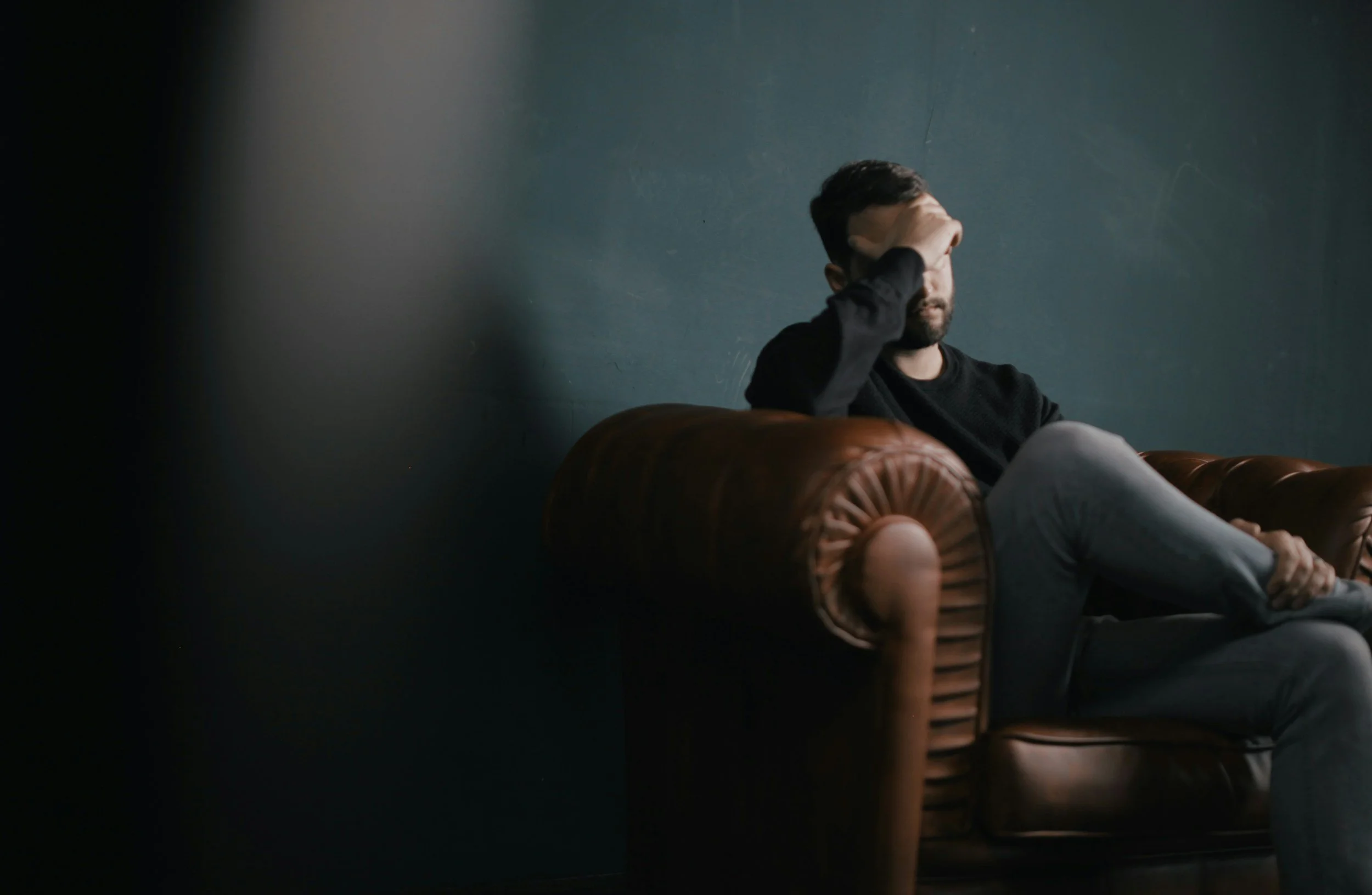
Did last night end in a quick drink-or-three to decompress after a stressful day? No judgement here. That used to be me.
I hear something along these lines from clients every day:
“It’s the only way I get to switch off. It’s the only time in the day that’s just mine. Without the kids, the to-do list, the noise in my head, the seventeen things I forgot to do - and the guilt at feeling like I’m failing in all of it.”
I hear this daily from single mums running on empty.
From high-fliers in careers that take everything they’ve got.
I hear it from those in enmeshed family dynamics which suck the life out of them with their expectations and guilting.
And, I hear it regularly from people who look completely fine from the outside but are hanging on by a thread behind closed doors.
(Just quietly, I think I ticked all of those boxes).
That need - the need to decompress, to switch off, to numb out. It’s very, very real.
And if you’ve got ADHD, AuDHD, a trauma history, anxiety or high sensitivity the reality is it is significantly amplified.
That’s because the cognitive load we carry is genuinely higher to ‘do’ daily life. The regulation demands are greater. The hypervigilance is dialled up to 110% all the dang time.
And, honestly, it’s exhausting.
That’s not your imagination nor an excuse, it’s often a combo of:
🧠 your neurobiology and the interaction with dopamine/gaba/glutamate - which then leads to mad cravings and hangxiety
🧠 the baseline of your nervous system constantly dialled up to 11 (known as hyperarousal)
🧠 your energy levels which have have plumeted quicker than a stock market crash at that time of day, and …
🧠 even for the most level headed of us the world is A LOT right now - and emotional regulation difficulties are challenging for ADHDers at the best of times
🧠 and, let’s face it, alcohol is the quick solution when you’ve got zilch in the tank.
The problem is that, over time, alcohol becomes the only thing that meets that need and it starts to reduce your ability to tap into other things that would support you.
Here’s why:
▪️ The nature of dopamine means alcohol becomes ‘the main act’ at the cost of other things you’ve previously enjoyed in life which start to pale in comparison. This reinforces alcohol’s role as ‘top dog’ thus increasing your cravings to ‘take the edge off’ with it.
▪️It narrows your options so that alcohol is doing all the heavy lifting while producing a short term solution. It’s just band aiding, not supporting you to actually manage (no judgement here).
▪️Often we’re trying to manage the unmanageable. And alcohol can reduce our ability to see it. Even small changes to actually improve things, become a ‘later’ issue and we end up brutally stuck.
______________________
So you see, your brain is actually trying to make a smart move by prioritising alcohol as a way to keep all the balls of your life in the air - aka survival - but that’s a different beast altogether to navigating life and stress in healthy or adaptive ways.
Part of what we do inside my 8 week small group coaching program for ADHDers who want to change their relationship with alcohol - Breaking the Loop - is by finding what actually works for your brain to downregulate and to get dopamine in ways that don’t cost you the next morning.
Actual strategies, mapped to how the ADHD nervous system works to build your very own toolkit.
One group member put it this way:
“It’s amazing how much energy I used to put into planning to drink — now I use that energy for planning other things.”
That shift doesn’t happen through willpower. It happens through understanding, through detecting your own patterns and through trialling things to find something else that actually works.
Related Articles






Did last night end in a quick drink-or-three to decompress after a stressful day? No judgement here. That used to be me.
I hear this daily from single mums running on empty.
From high-fliers in careers that take everything they’ve got.