

What decades of brain imaging shows about the impact of alcohol on your brain
And Why It Matters Even More for ADHDers
Most of us know alcohol isn’t great for us - the awful sleep, the hangxiety, the next-day fog, the health risks.
But when drinking becomes a regular activity, our brains change in ways that are real, measurable and have nothing to do with willpower.
A 2019 major research review published in the Journal of Neuroscience Research pulled together decades of brain-imaging studies to show what actually happens in the brain when drinking becomes a struggle … and what happens when you stop.
If you live with ADHD? This information is even more relevant.
That’s because alcohol impacts the same systems ADHD already makes more vulnerable.
_____________________
Let’s break it down:
1. The brain literally shrinks
Grey matter (thinking, memory, decision-making) and white matter (the wiring) both reduce in volume.
This affects memory, emotional regulation, impulse control, decision making, motivation, planning and organising.
2. The brain’s wiring gets glitchy
White-matter pathways - the highways between brain regions - start to fray leading to slower thinking, brain fog, trouble recalling words, poor judgement.
3. Brain chemistry becomes unbalanced
Two big players get hit:
Glutamate spikes during withdrawal meaning anxiety, jumpiness, irritability are ramped up
Dopamine gets hijacked and alcohol soon becomes the fast track to relief or reward
Over time, everyday things that normally feel good, the things we’d usually enjoy … don’t anymore.
4. The brain learns to prioritise alcohol.
The part of the brain that decides what’s “important” becomes hyper-focused on alcohol cues — and less responsive to natural rewards (connection, hobbies, achievements).
Admittedly that all sounds pretty grim - however the good news is the brain’s capacity to bounce back and heal.
Science shows that after stopping drinking:
white matter can regrow
brain chemistry can rebalance
cognitive function can improve
decision-making and emotional regulation strengthen
reward circuits begin to normalise
Your brain simply needs space and support to repair.
Why this matters even more for ADHD brains
ADHD brains are already different in three major ways — all of which overlap with alcohol’s impact.
1. ADHD involves dopamine dysregulation
Lower baseline dopamine means motivation, focus and reward are harder for us to access.
In comes booze which provides a fast dopamine hit that “quiets the noise” of our busy heads, allowing us to feel “normal.”
Unfortunately while this works well in the short term, repeated hits lower baseline dopamine even more, which often worsens ADHD symptoms, mood, motivation, emotional regulation and an increase in cravings.
2. Executive function is already vulnerable
Alcohol hits planning, working memory, impulse control and self-monitoring …which are the same areas already impacted by ADHD.
This means ADHDers can slide into problematic patterns with alcohol faster - even if they’re not drinking more - simply because their wiring is different.
3. ADHDers feel glutamate spikes more intensely
Glutamate surges result in irritability, restlessness, hypervigilance, and “hangxiety.”
If your nervous system is already sensitive (hello, ADHD + trauma pathways), withdrawal feels amplified.
4. Cue-reactivity hits harder
ADHD brains are highly responsive to environmental cues and novelty.
So once your brain learns “alcohol equals relief,” the salience network latches onto those cues quickly.
It’s not a moral issue, folks. It’s neurobiology.
Three things I want you to take away:
1. You’re not weak. Your brain has simply been trying to cope.
2. Your brain can absolutely heal. Neuroplasticity is real.
3. There are ADHD-specific tools that make change easier.
🧠 Your brain isn’t the problem. It simply needs ADHD friendly support to change the game.
Source:
Fritz, M., Klawonn, A. M., & Zahr, N. M. (2019). Neuroimaging in alcohol use disorder: From mouse to man. Journal of Neuroscience Research, 100, 1140–1158. https://doi.org/10.1002/jnr.24423

Related Articles


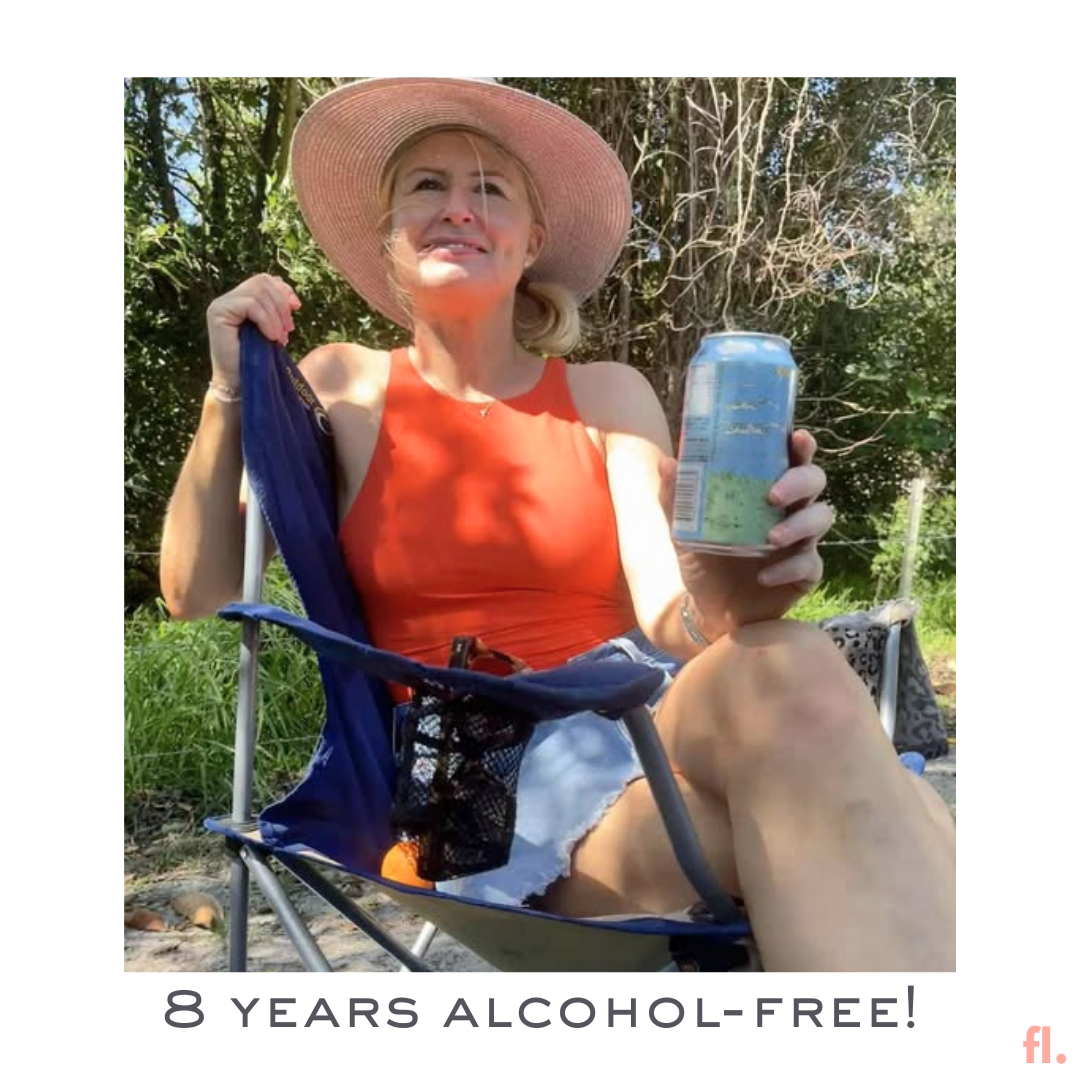








Did last night end in a quick drink-or-three to decompress after a stressful day? No judgement here. That used to be me.
I hear this daily from single mums running on empty.
From high-fliers in careers that take everything they’ve got.