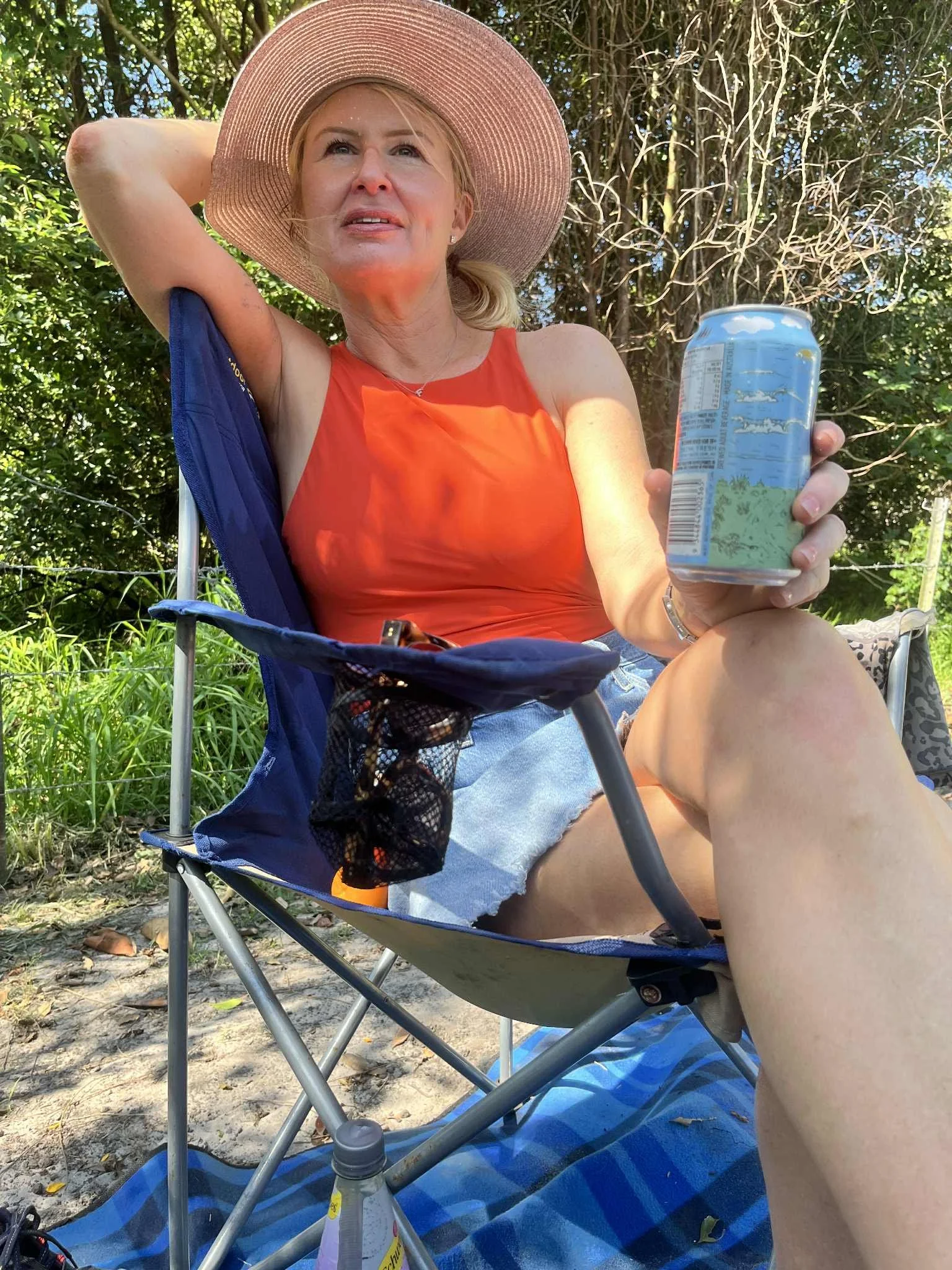
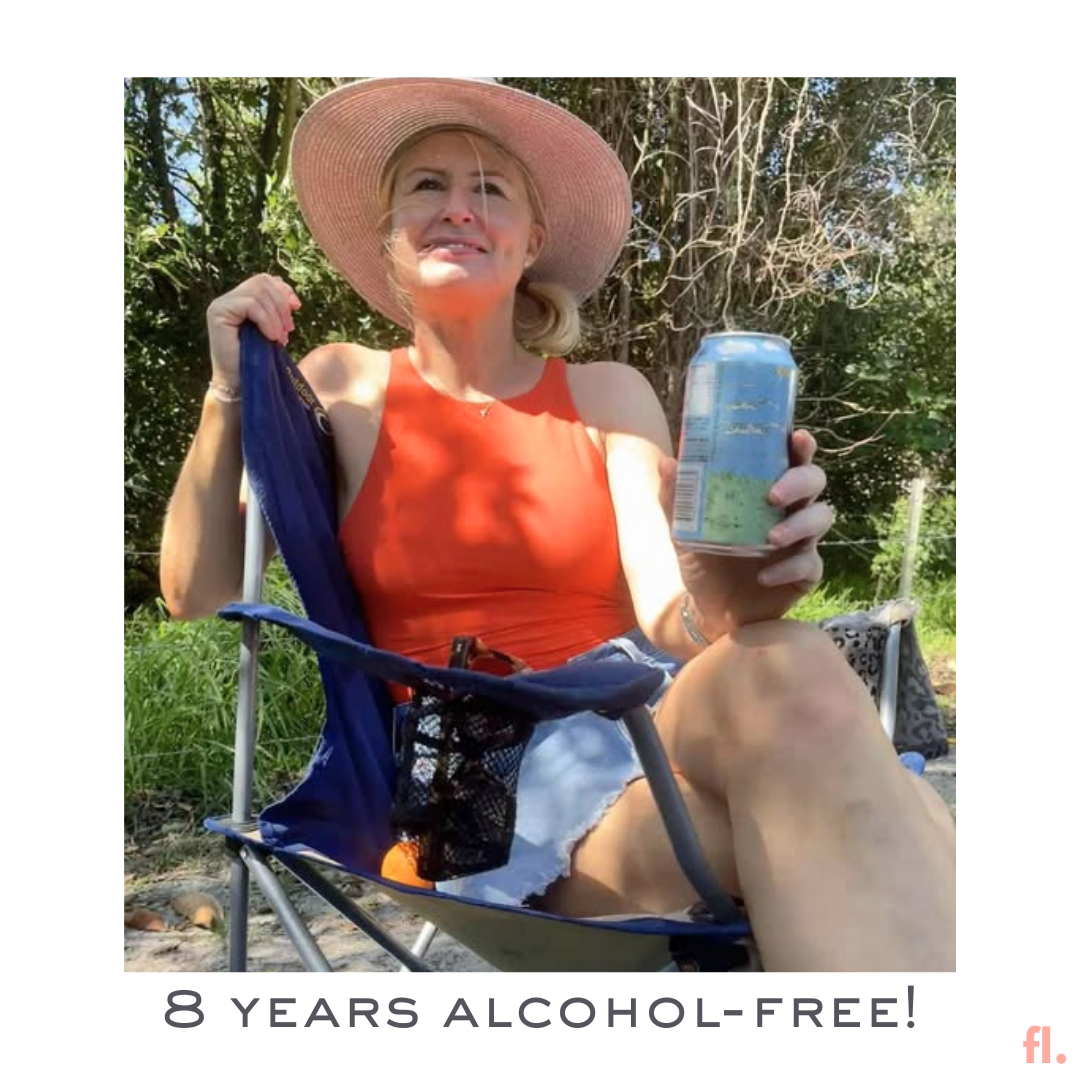
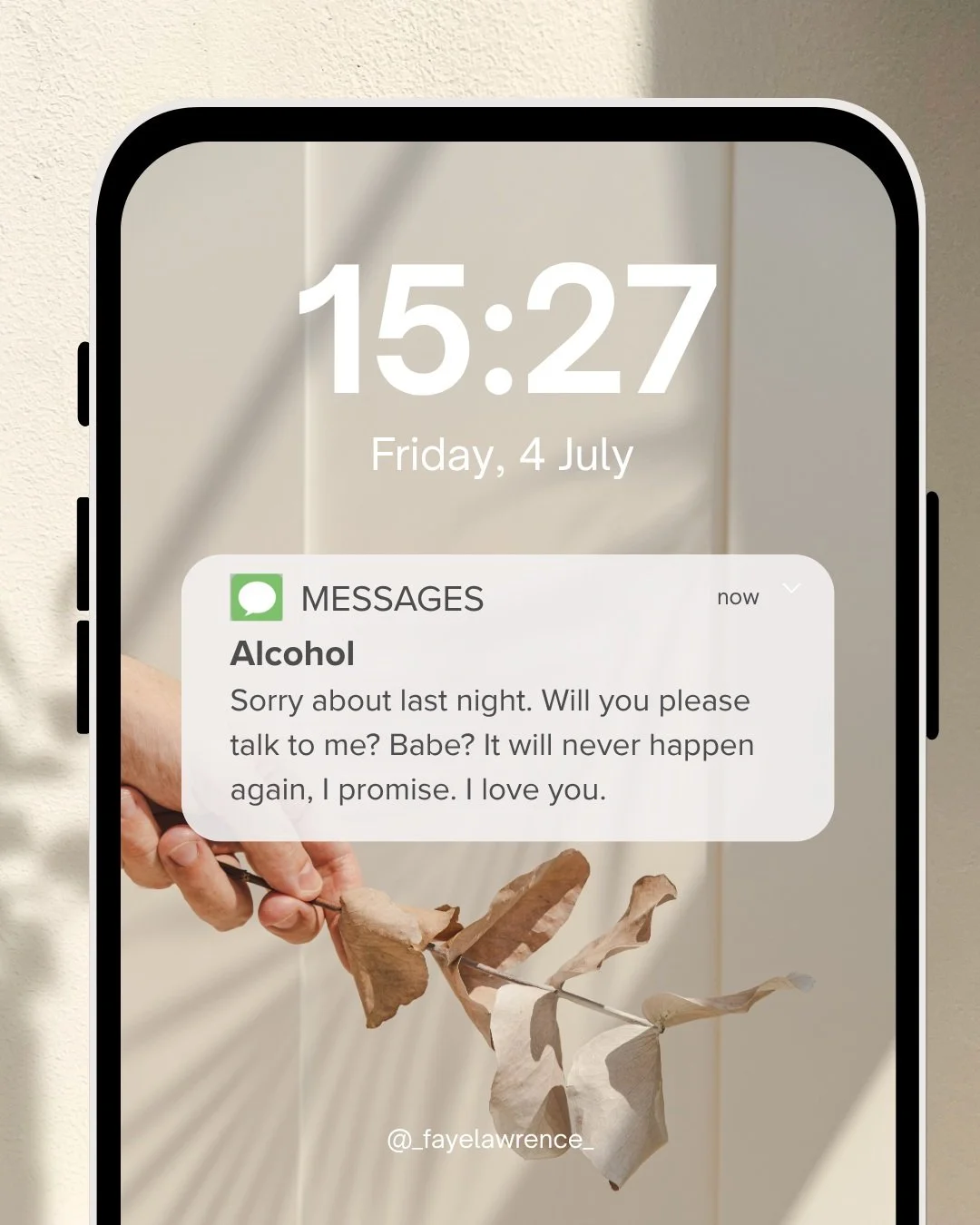
8 years alcohol-free!
A quick reflection
When I started on this journey I could not imagine a time where it would not feel utterly impossible to experience a birthday, a weekend, a Christmas, a holiday, a date, a social gathering, a BBQ, a night out, a tough conversation, an airport, a meal out, a loss (I could go on), without alcohol or without feeling the most brutal FOMO.
Neuroplasticity is truly a wonderous thing; something you once thought was inconceivable becomes your new normal. Through repitition, those previously held associations weaken and eventually cease all together.
Unbeknownst to me, when I was repeating the new behaviour (ditching the booze) over and over again I was retraining my brain in real time to an updated default operating mode. Alcohol was no longer centre stage.
We are capable of much more than we realise, particularly when we realise the power of neuroplasticity. It's never too late to make any changes you want, and I'll drink (an AF beer) to that!
Related Articles
Accountability. Does the word make you cringe? Instantly conjure up feelings of unwanted control or pressure?
If you’ve got a rebellious streak with a side of ADHD (ahem, guilty) then you probably really don’t like being told what to do and might already be side-eyeing me.
But the kind of accountability I’m talking about is different. And I’ve found it’s often the missing piece in making sustainable change including my own.
If you've ever wondered why your relationship with alcohol feels harder than it seems to be for everyone else, it’s because with ADHD it is.
You’re not imagining it, you’re not making excuses, it is.
This makes ‘just having one’ often feel impossible. Here’s why and what to do.
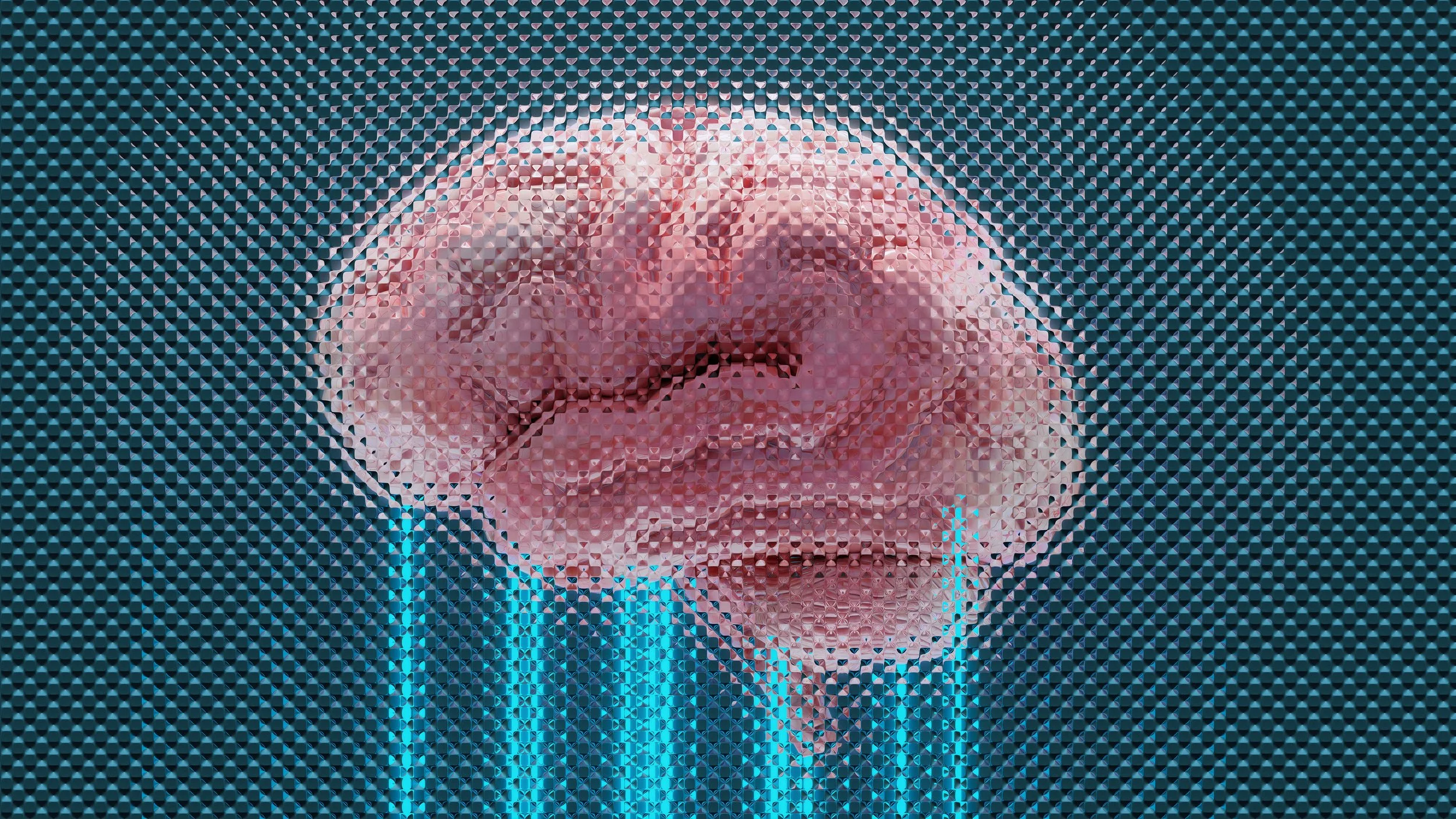
When drinking becomes a habit, the brain changes in measurable ways. For ADHDers, the stakes are even higher.
A 2019 major research review published in the Journal of Neuroscience Research pulled together decades of brain-imaging studies to show what actually happens in the brain when drinking becomes a struggle …
8 years alcohol free - and the utter magnificence of neuroplasticity!
A quick reflection
When I started on this journey I could not imagine a time where it would not feel utterly impossible to experience…
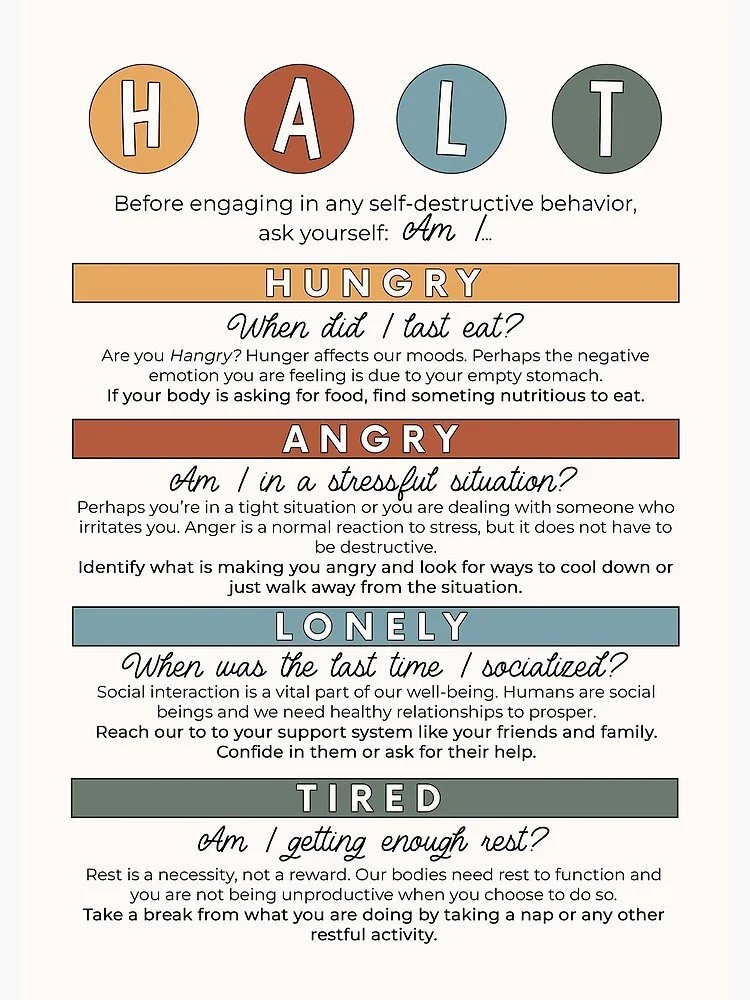
The H.A.L.T. method is simple, but powerful. It’s about pausing long enough to check in with yourself: Am I Hungry, Angry, Lonely or Tired?
These four states can quietly run the show if we don’t notice them — and they often explain why we make choices that don’t serve us. Here’s how it can help you with alcohol cravings.
As we approach the end of another year, you might be feeling that familiar mix of relief, exhaustion, and perhaps a determination that next year is not going to be so ‘stressful’, ‘hectic’, ‘disorganised’ ……. (insert your relevant adjective here).
Ever look at women or men in terrible, toxic relationships and wonder why they don’t just end it? Or why those who experience abuse from their partner might leave only to return again and again?
It doesn’t make any logical sense. Often, we can look at those situations from the outside and it’s unfathomable to us.
In my work as a counsellor and ADHD coach, I often meet people who have spent years wondering why they feel “different.”
Maybe you’ve always had a sense that you were out of step with others. Or maybe you’ve scrolled past a post or video about ADHD, autism, or another form of neurodivergence and thought, that sounds exactly like me.
As a therapist and coach who works at the intersection of ADHD and grey area drinking, I hear a lot of the same stories from clients about why alcohol has become such a significant part of their lives. And for most of them? It’s not about celebration or fun. It’s about relief.
But here's what I want you to know: This is not a personal failing, it’s your ADHD.
Learning to build a solid foundation within ourselves that is anchored in knowing these truths is, for so many of us, one of the hardest things we do in life. And this time of year – amongst the fun and festivities - can bring forth old family wounds, grief, loneliness, difficult relationships and exhaustion that make it even harder to stay grounded.
So, you've probably heard about GP Mental Health Care Plans (MHCPs; sometimes also referred to as MHTPs for ‘Treatment’) as a way to access mental health services more affordably. They're often the go-to from GPs when you're considering mental health treatment and the type of support/practitioner they refer them on to. However, like anything, they come with their own set of pros and cons.
As humans we frequently ‘other’ people we believe are not like us. From political beliefs to race, culture, life experiences, age to socioeconomic status. Most of us do this to some degree. Same with people experiencing struggles; whether that’s mental health, disability, financial difficulty, addiction, trouble with the law, unemployment. We often think we’re different to them, which usually means ‘better than’ if we’re really honest.
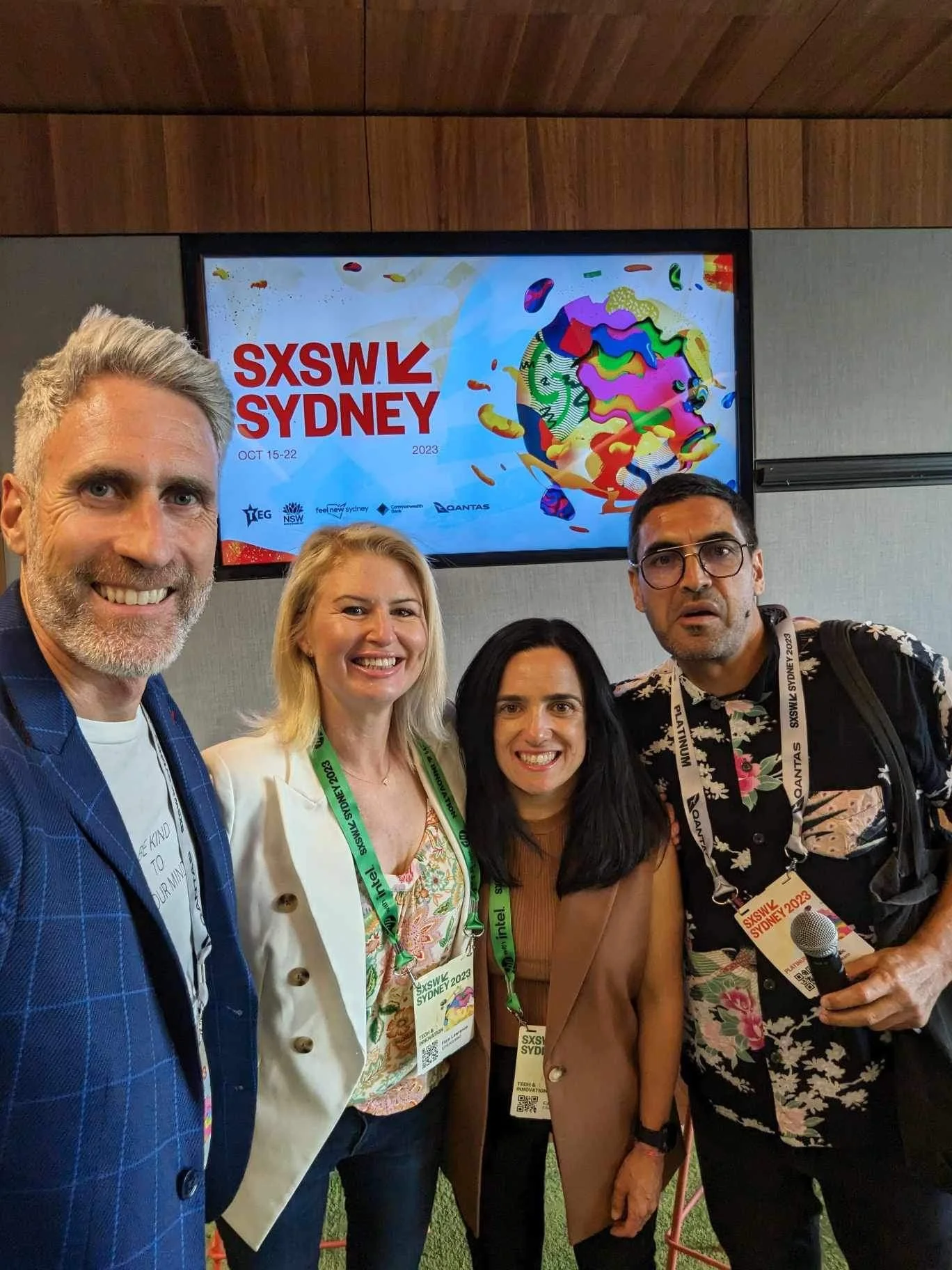
It was a fantastic opportunity to speak on this topic with the incredible panel Caterina Giorgi from FARE Australia, Jasper Vallance from Xstatic Sunsets and Murat KILIC (DJ, Producer, Conscious Club Events) and myself from Untoxicated at the first ever South by South West conference (SXSW) held outside of its birthplace in Austin USA.


Did last night end in a quick drink-or-three to decompress after a stressful day? No judgement here. That used to be me.
I hear this daily from single mums running on empty.
From high-fliers in careers that take everything they’ve got.