

From ‘it’s a me problem’ – to understanding what your brain is up to!

One thing I hear over and over from clients is “everyone else can stop at two or three drinks, what’s wrong with me?”.
And I get that it’s tempting to think that there’s something fundamentally wrong with you.
After all, ‘why can’t I just’ is such a familiar internal narrative when you’ve got ADHD… we become world class experts at that game.
But it’s actually neurobiology that legitimately makes this much harder for you. It’s not just you making excuses - quite the opposite usually.
I’ve found many ADHD clients will readily blame themselves and try harder and harder, rather than make excuses.
And that neurobiology also explains why alcohol holds such an immense allure in the first place.
I know this because I spent decades as a high-functioning but high-consuming kind of drinker. Not always out of control or messy.
Sometimes things looked and felt ‘under control’. The career was going well, the kids were well looked after, the house was tidy (mostly). Sitting in that grey area I talk about.
But internally? I was using alcohol to manage overwhelm, executive dysfunction, pure exhaustion and rejection sensitivity. All of which I just did not have the words for nor could I conceptualise in ways other than it being a ‘something flawed with me’ issue.
I can see now the drinking wasn’t really the problem. Not at first. It was the attempt at a solution to a problem I didn’t understand - and where I felt I just needed to try harder and stop making excuses.
After all, adulting is difficult for everyone, right? I just needed to get over it and buck up.
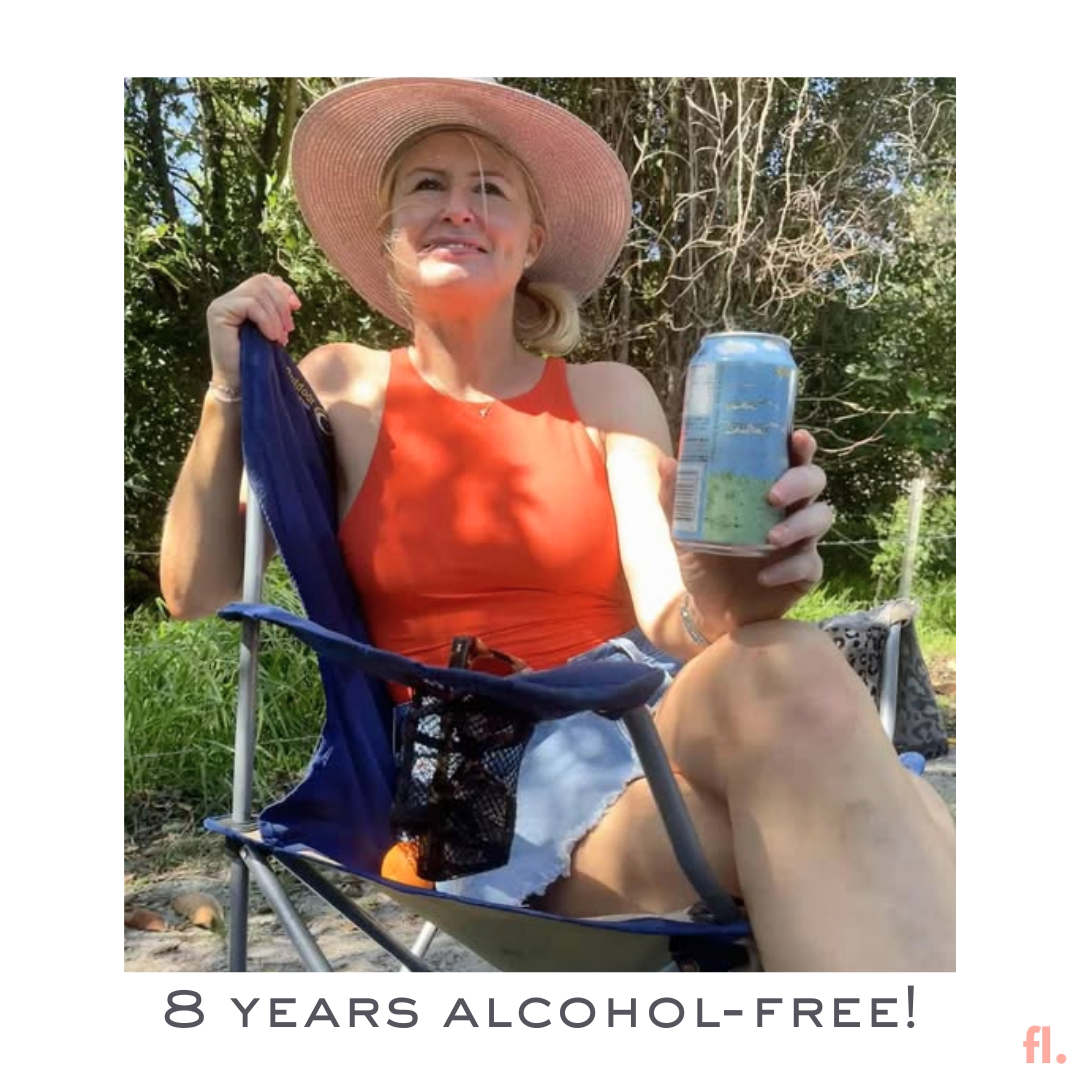
And honestly it wasn’t until I was diagnosed with ADHD in 2022 (age 48) having been alcohol-free for 5 years by then that everything really clicked.
I realised it was almost an inevitability I was going to end up having issues with alcohol.
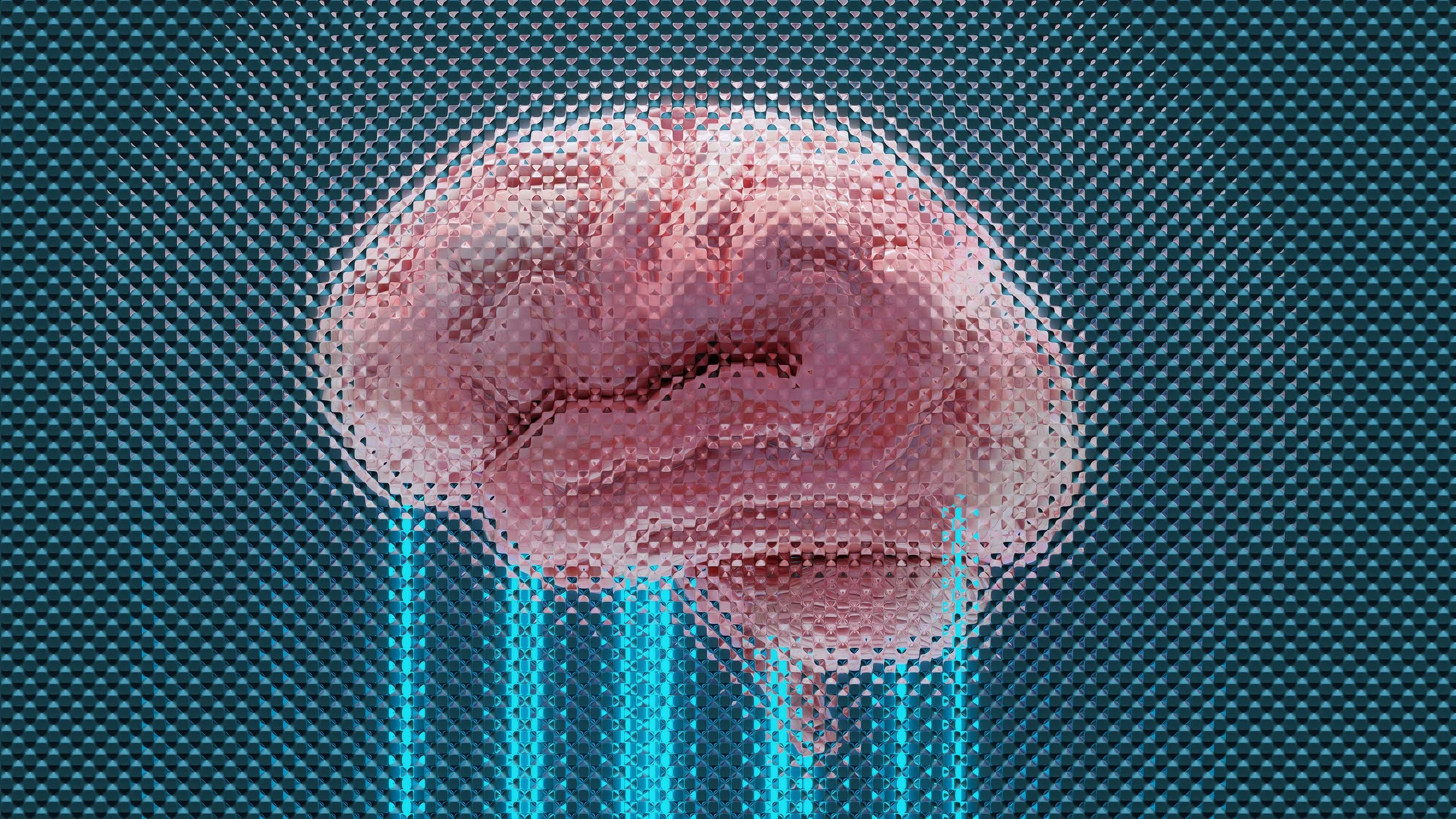
Our ADHD brains don’t produce dopamine, GABA, norepinephrine or serotonin in the same way as neurotypical brains. This means we tend to be living in a state of chronic overwhelm, fight or flight (hyperarousal), stress sensory overload OR toe curling boredom, understimulation and on the precipice of burnout A LOT.
Ultimately our nervous systems are screaming for relief a lot more than the average bear. And that’s what alcohol delivers.
Quickly. It makes complete sense as a solution.
Here’s what I’ve noticed shifts when clients understand all this:
▪️ They stop thinking they're weak. They start understanding they're dysregulated or that the load they’re carrying requires 3 of them.
▪️They stop thinking they need more willpower. They start building actual tools that work.
▪️They stop hating themselves and fighting themselves. They start working with their brain and in accepting themselves and their ADHD.
You go from:
“Why can't I just have one?”
“Why does moderation feel impossible?”
“Why don't any of the traditional programs work for me?”
And you shift to understanding that you’re being asked to do something your brain just is not built to do - and that’s not your fault.
But - it also doesn’t make sense to keep knocking on that door! After all:
If this is landing for you, I’d ask you to just sit with it for a minute.
If you've spent years thinking you're weak or broken because of alcohol, what would it feel like to realise you're just … neurodivergent?
Not weak, not broken, but just doing the best you can to live with a different brain in a world not built for us.
And that perhaps the approach to tackling the alcohol needs to be different too, suited to your brain, and that’s actually ok. That's often where the real change starts.
Related Articles










I wanted to share one of the main things that used to drive me mad when I was still drinking.
It was knowing exactly what I “should” be doing about drinking - and still not being able to do it.