


It’s noisy, jumpy, energetic, fighting itself almost. That bad boy has got a lot of pent up energy - and not always got somewhere to put it.
And alcohol? It feels like the perfect way to get it to stop smashing up against everything.
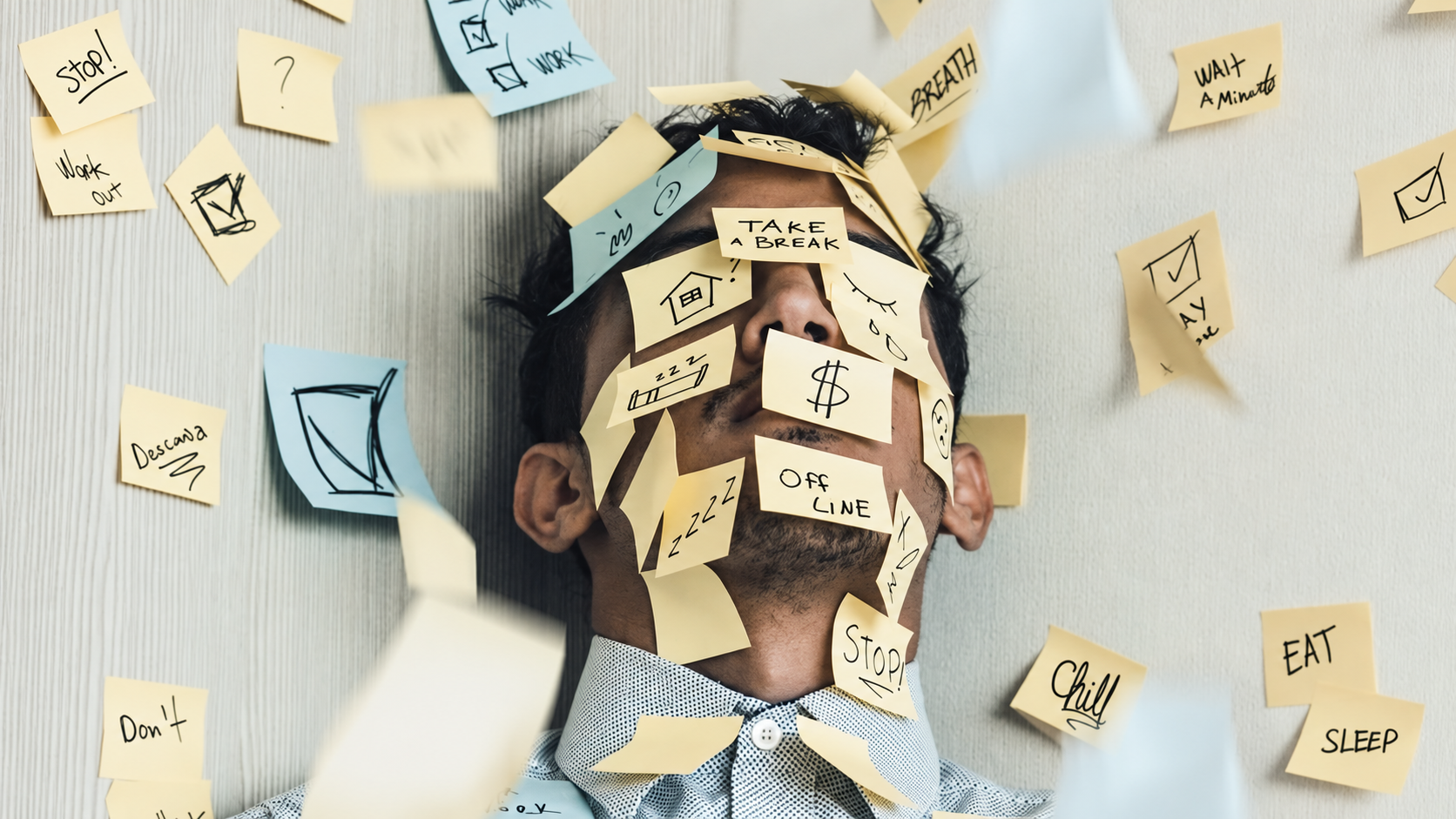
Especially when you get home from work and you're still dealing with demands left, right and centre.
When you’re utterly overwhelmed, stressed, bored or feeling like you’re about to tear your skin off if you get one more text message or hear one more ‘what’s for dinner?’ your nervous system is screaming for relief.
And we know alcohol delivers that, and quickly.
IT’S NOT JUST DOPAMINE, SAY HI TO GABA …
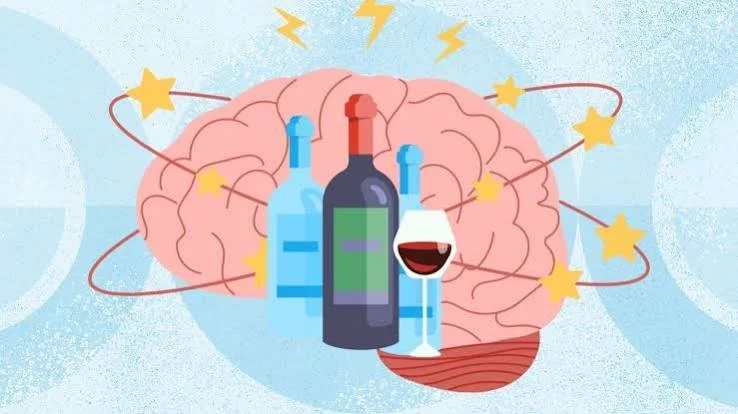
Your ADHD brain is less effective in its use of dopamine than a neurotypical brain. Dopamine is the stuff that handles motivation, pleasure and reward.
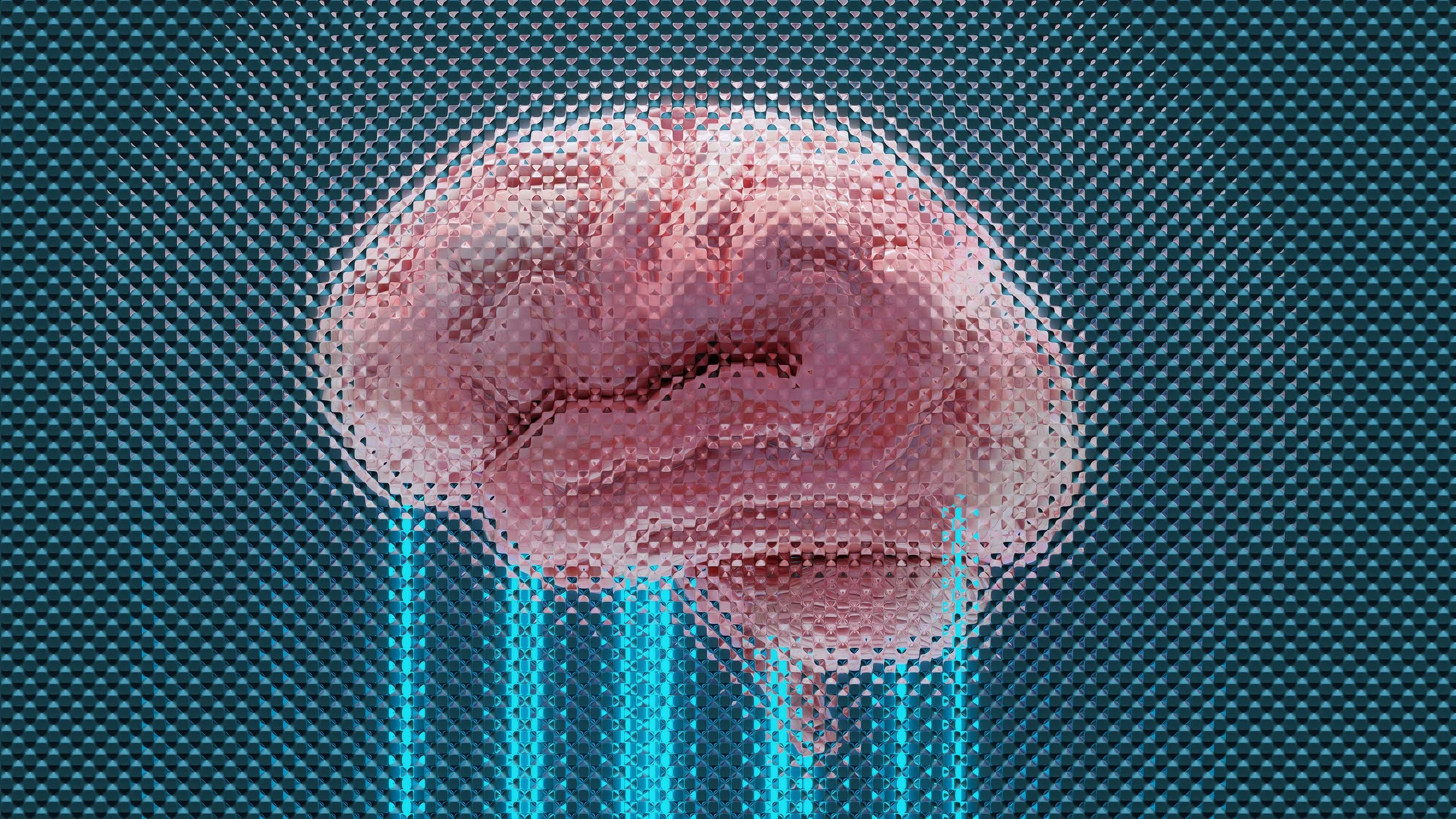
But there’s also likely to be lower GABA which is essentially the brain’s calming mechanism. The thing that ‘turns down the volume’ of the bucking bronco.
So when these neurotransmitters (brain chemicals) are low - which is likely to be often - your brain naturally looks for ways to get some relief. You're overwhelmed. Everything feels hard and sharp and too much. Your nervous system is fried. Your senses are overloaded.
Then you have a drink and within minutes, alcohol starts changing the chemistry in your brain.
Dopamine levels rise, GABA starts to calm the farm, your nervous system begins to settle, and the overwhelm feels more manageable. You feel more like yourself again.
Your brain goes: “Oh. That’s the thing that fixes it. You sweet, sweet saviour, vino!”
YOU’RE JUST TRYING TO FIND SOME RELIEF, RIGHT?
So over time when you become dysregulated your brain goes looking for that same solution. The solution that it knows works. Smart huh?
It’s like Pavlov’s dog - eventually we’ve literally programmed our brain to associate the relief with the alcohol - even when the alcohol is now problematic.
For many people with ADHD, drinking is less about a lack of willpower and more about a nervous system trying to regulate itself.
Your brain is trying to solve a real problem. Alcohol just happens to be the solution your brain found.
Until you understand what's driving that need, it's hard to find a different solution.
WHAT’S HAPPENING WHEN YOU DRINK:
You're getting a dopamine hit. The GABA is calming your system down. Your emotional intensity quiets. You feel less reactive. Less... “too much”. The mental load gets relief. And you finally get permission to rest. Hallelujah, praise the lord!
From a neurobiological perspective this makes complete sense.
See, your brain is a clever thing in finding solutions.
And alcohol is the attempt at that solution - until it eventually becomes the problem itself.
Health impacts. Shame spirals. Hangxiety. Relationship strain. Parenting struggles. Motivation dropping off further.
But now you’ve also got the alcohol to contend with, that is taking up an enormous amount of headspace. It’s the compounding effect of using the same solution over and over.
And there’s a way out, my friend, but it’s rarely white knuckling it with willpower. Research shows repeatedly that ADHDers will leave alcohol treatment early, often because both are not being treated at once. And there’s that impulsivity thing, too.
WHAT WE NEED TO DO INSTEAD:
What we have to do is to understand what our brains have really been asking for. Emotional relief? Nervous system regulation? Fun? A sense of freedom? Less demands? Reduced sensory input?
Then we’ve got to look at how we might meet that need. Ways that don't come with the same downstream costs.
Because once your system isn't constantly in crisis mode, the pull towards alcohol as a solution eases off and creates a small space - which can grow bigger over time - to do something different.
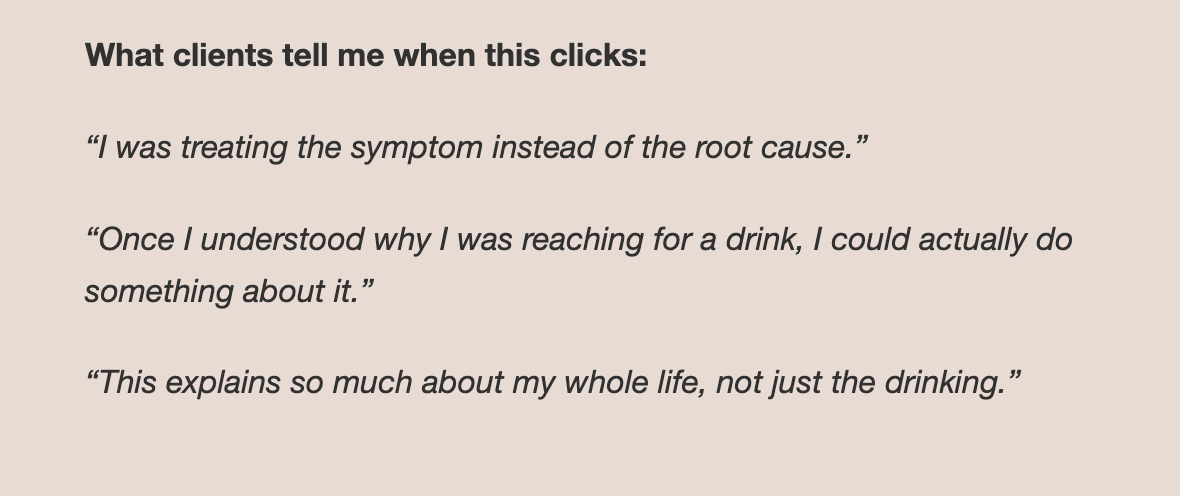
This shifts us from shame to understanding.
And that in itself is a big help in reducing our drive for alcohol because when we understand it’s neurobiology rather than a moral failing or weakness, we can start to be a bit more self compassionate.
And less shame = less drive for the thing that brings us comfort from this awful feeling.
We’ve been doing the best we can - until we know better. And the really good news is there are other ways to give your brain what it needs.
So maybe you can start to consider some of the evidence-based ways that you can increase GABA to support you in this process.
Related Articles










What I’ve noticed after running groups for years is that the vibe of a group where everyone’s ADHD and stuck in the same loop with alcohol is genuinely different.