


When I stopped drinking back in 2017 I started to go along to recovery group meetings. It was, quite frankly, terrifying. I’d done plenty of therapy over the years, but this was a different kettle of fish.
Here we were all learning to do life without alcohol and laying some pretty personal things out bare in front of strangers. Paradoxically, it was also hugely liberating.
But I’d been to these types of groups in the years before. After drinking incidents that were too bad to ignore, in situations when things had started to feel unmanageable.
And I’d always exit stage left as quickly as I could and my drinking would resume to its normal baseline within a week or two.
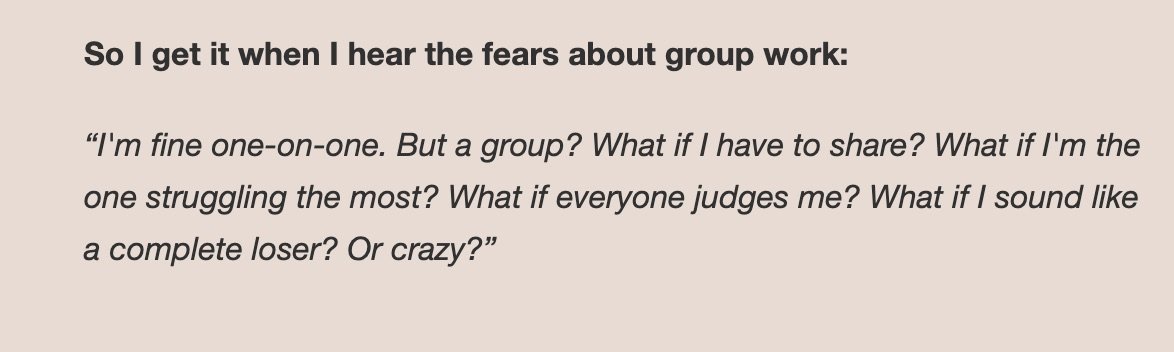
Groups can feel spectacularly vulnerable. Risky when you don't know the people, don't know the vibe, don't know if it’s going to feel like a space where you’re safe to open up or even engage.
But what I’ve noticed after running groups for years is that the vibe of a group where everyone’s ADHD and stuck in the same loop with alcohol is genuinely different.
Week 1 is usually a bit awkies.
Everyone's nervous. Everyone's wondering if they belong. There's a lot of “I'm not sure if I'm bad enough to be here.”
But by week 2, something shifts. Someone shares something vulnerable. Someone else goes “Oh my god, I thought it was just me.” And suddenly everyone starts to relax.
By week 3, there’s a palpable sense of relief. They are starting to feel seen. They might be becoming accountability partners. They’re gelling with others who just get them.
By week 5 or 6, the group has its own safety. People are sharing real stuff. Celebrating wins. There's laughter. There's real emotion. A lot of “I've never been able to admit this to anyone else but I know you guys will get it” or “this sounds really silly but I’m going to say it anyway” and receiving the most beautiful support.
By the final week… People legitimately don’t want it to end. It’s the one place others really understand the things they’re going through. Some have become actual friends and stay connected after it ends.
And that’s because they don’t have to mask or pretend. Nobody has to explain why they can't “just stop”.
All of this builds trust, safety, a place where you can be yourself.
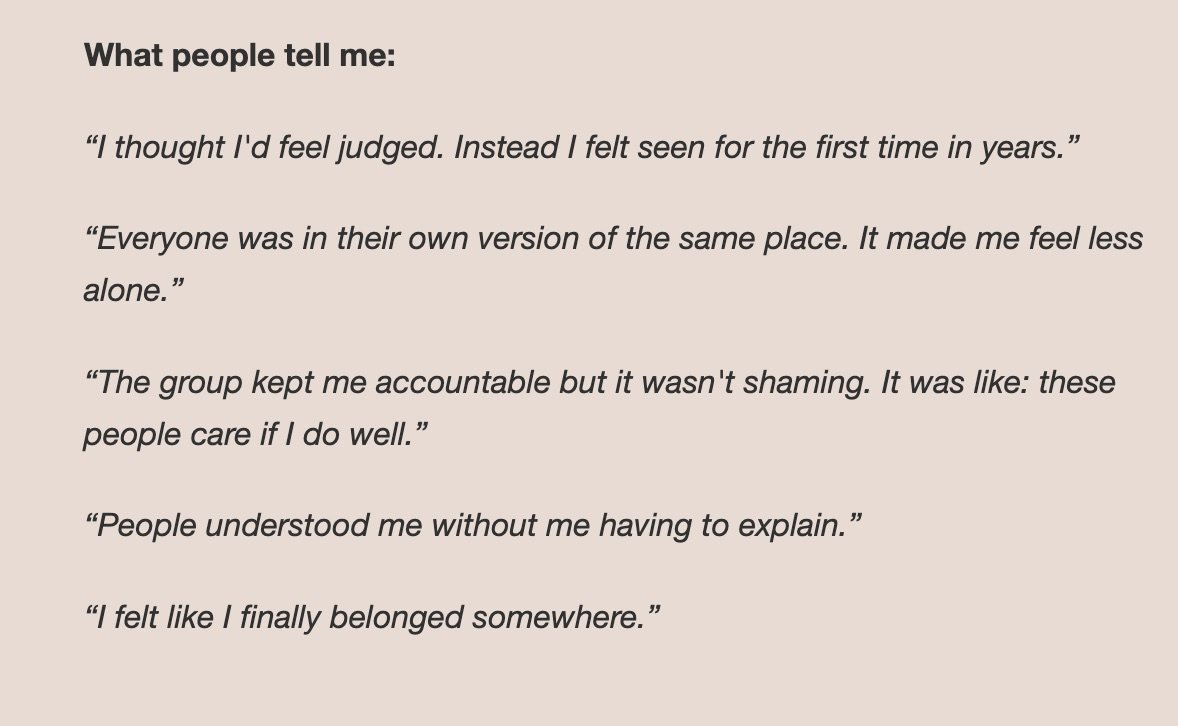
Here's what I’ve seen repeatedly about people who do the work:
They're not necessarily the ones with the worst drinking. They're the ones who show up. The ones who get vulnerable and share. They see themselves in others, they listen, they adjust course.
They’re the ones like I was when I finally quit for good; showing up, prepared to show some vulnerability, to get real. Mostly because there’s a realisation they know they need to do something different than all the other times.
And because finally they feel less alone. That’s often when something shifts.
WHEN YOU FINALLY FEEL UNDERSTOOD
We have a group coaching session together each week. That's where we do education, build community, share if we want to.
But the real magic? It happens daily. People check in. Sometimes it's a quick share about something they're struggling with. Sometimes it's celebrating a win. Sometimes it's just “I'm dysregulated and I need to talk this out.”
And what happens is people realise they're not alone in their chaos. Other people are dysregulated too. Other people are struggling. Other people are figuring it out.
It's the difference between “I'm the only one dealing with this” and “I'm one of many people dealing with this, and we're doing it together.”
Most people are nervous about group work. You don't have to be the bravest person in the room. You just have to show up and be real.
The group will do the rest. It’s transformative.
Related Articles

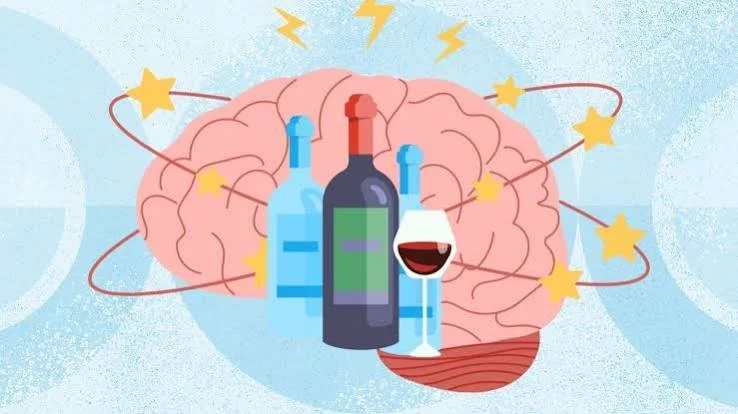









What I’ve noticed after running groups for years is that the vibe of a group where everyone’s ADHD and stuck in the same loop with alcohol is genuinely different.